Ease Breast Discomfort with Exercise
What if the discomfort you experience during workouts is more common than you think? Many women face breast tenderness during exercise, often without understanding the causes. Addressing this topic can empower you to maintain your active lifestyle while prioritizing your breast health.
What You Will Learn
- Breast discomfort during exercise can result from physical factors like inadequate support from sports bras and high-impact activities.
- Hormonal fluctuations, especially during menstrual cycles, pregnancy, or menopause, can significantly contribute to breast tenderness.
- Understanding the health of your breast tissue is essential; conditions like fibrocystic changes can lead to discomfort.
- Incorporating proper stretching techniques can alleviate discomfort and enhance flexibility during daily activities.
- Creating a personalized workout plan that includes both cardio and stretching can help manage and prevent breast discomfort.
- Maintaining good ergonomics throughout daily life can reduce strain and improve overall breast comfort.
- Engaging with educational resources and healthcare professionals can enhance your understanding and management of breast health.
- Self-care practices, such as a balanced diet and hydration, are crucial for maintaining long-term breast comfort and overall wellness.
Understanding Breast Discomfort: Causes and Management
This visual outlines the common causes of breast discomfort during exercise and key strategies for effective management, focusing on physical factors, hormonal influences, and tissue health.
Understanding Breast Discomfort During Exercise
When we think of exercise, we often envision strength and vitality. However, it's not uncommon to experience breast discomfort during physical activity. Many women, including myself, have faced this issue and wondered what could be causing it. Understanding the factors behind this discomfort can empower you to take control of your breast health while staying active!
There are several reasons why you might experience breast tenderness during exercise. The most common include physical factors, hormonal changes, and the overall health of your breast tissue. Let's break these down further to help you identify what might be affecting you.
Common Causes of Breast Discomfort
Physical Factors Contributing to Pain
Breast discomfort can often be linked to physical factors like the type of exercise you're doing, the intensity, and even the gear you wear. For instance, inadequate support from a sports bra during high-impact activities can lead to discomfort. Have you ever noticed that certain movements exacerbate your pain? Wearing the right sports bra is crucial for providing the support your breasts need! Research highlights the importance of proper exercise techniques and support to manage pain, as discussed in resources like the National Cancer Institute's guidance on exercise and pain.
- Insufficient breast support during workouts
- High-impact activities like running or jumping
- Poor posture while exercising
Being mindful of your body mechanics can significantly reduce discomfort during your workouts. Make sure to adjust your routine to include proper support and technique.
Hormonal Influences on Breast Tenderness
Hormones play a significant role in breast tenderness, especially during certain times of your menstrual cycle. Fluctuations in estrogen and progesterone can lead to increased sensitivity and discomfort. Have you noticed a pattern in your breast pain related to your cycle? Tracking these changes can help you understand and anticipate discomfort.
Additionally, hormonal changes during pregnancy or menopause can also impact breast tenderness. Remember, staying informed about your body’s natural cycles can help you prepare for any discomfort that may arise.
Impact of Breast Tissue Health on Discomfort
The health of your breast tissue is another important factor. Conditions like fibrocystic breast changes can cause pain and tenderness. It's essential to stay proactive about your breast health, which includes regular self-exams and consultations with your healthcare provider. Have you taken the time to learn about your breast health? Empowering yourself with knowledge is the first step towards feeling better! The Mayo Clinic offers extensive information on breast health and conditions, including fibrocystic changes and the importance of regular check-ups.
- Regular self-breast exams
- Consulting with healthcare professionals
- Understanding breast tissue conditions
By addressing these potential causes, you can better manage discomfort and enjoy your workouts. Let's now explore some effective techniques to relieve pain through stretching and mindful exercise!
Effective Stretching Techniques for Pain Relief
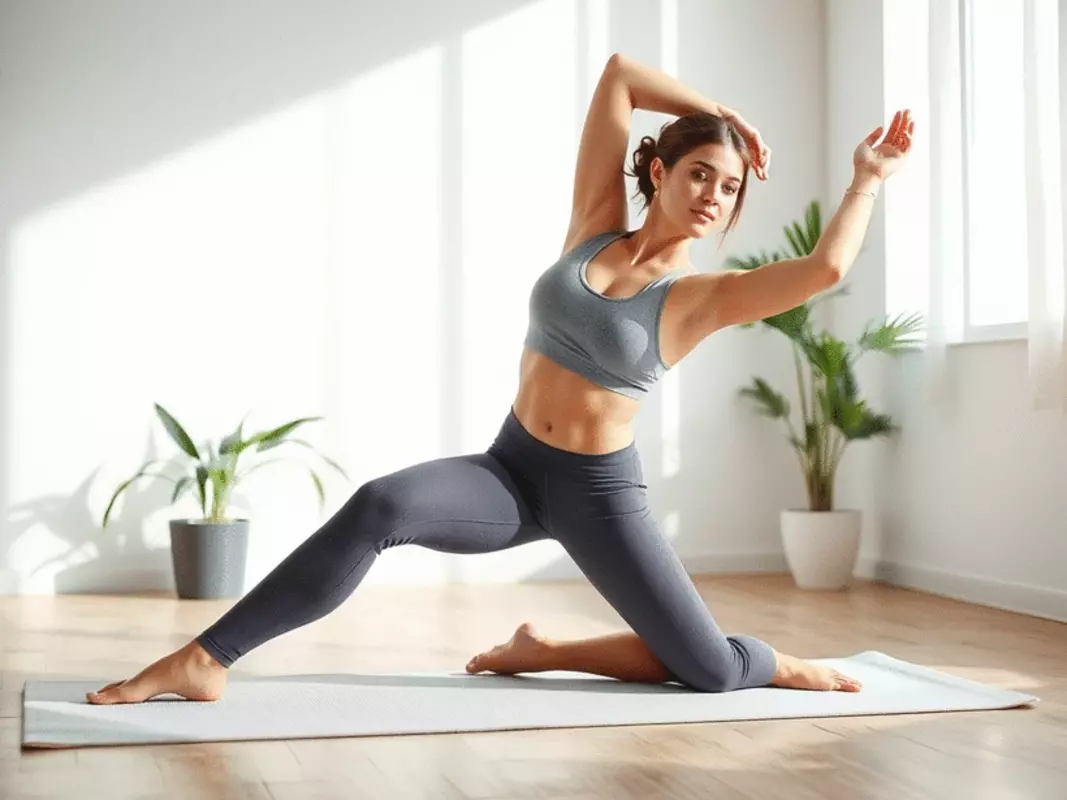
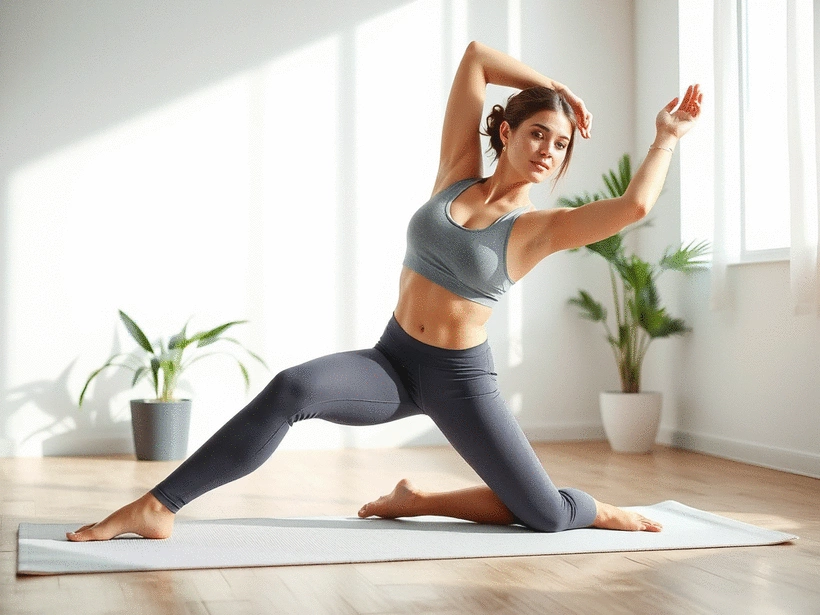
One of the best ways to combat breast discomfort is through effective stretching techniques. Not only do these stretches help alleviate tightness, but they can also enhance your overall flexibility and comfort during daily activities.
In the following sections, we’ll discuss specific stretches like the Pectoralis Major Stretch and Thoracic Extension, and how they can make a significant difference in your comfort level during and after exercise!
Pro Tip
Did you know? Wearing a properly fitted sports bra can reduce breast discomfort significantly during high-impact activities. Consider visiting a specialty store for a fitting, and don't hesitate to try on different styles to find the one that offers you the best support!
Frequently Asked Questions About Breast Discomfort During Exercise
Here are some common questions and answers to help you better understand and manage breast discomfort during physical activity.
- Q1: What are the primary causes of breast discomfort during exercise?
- A1: Breast discomfort during exercise can stem from physical factors like inadequate sports bra support and high-impact activities, hormonal fluctuations (e.g., during the menstrual cycle, pregnancy, or menopause), and underlying breast tissue health conditions such as fibrocystic changes.
- Q2: How important is a sports bra in preventing discomfort?
- A2: Wearing a properly fitted sports bra is crucial. It provides essential support, especially during high-impact activities, significantly reducing breast movement and subsequent discomfort. Seeking a professional fitting can help you find the best option.
- Q3: Can hormonal changes affect breast tenderness during workouts?
- A3: Yes, hormonal fluctuations, particularly those related to the menstrual cycle, pregnancy, and menopause, can increase breast sensitivity and tenderness, making discomfort more likely during exercise. Tracking these changes can help anticipate and manage symptoms.
- Q4: What role does breast tissue health play in exercise-related discomfort?
- A4: Conditions like fibrocystic breast changes can contribute to pain and tenderness. Regular self-exams and professional medical consultations are important for understanding and addressing any underlying breast health issues that might exacerbate discomfort during exercise.
- Q5: What are some effective strategies to manage breast discomfort?
- A5: Effective strategies include wearing appropriate sports bras, incorporating stretching techniques into your routine, choosing low-impact cardio, maintaining good posture and ergonomics in daily activities, and seeking professional medical advice for persistent or severe discomfort. A balanced diet and hydration also support overall breast health.
Integrating Stretching and Exercise into Daily Routines
Finding ways to incorporate stretching and exercise into our daily lives can be a game-changer for managing breast discomfort. A balanced routine not only promotes overall wellness, but also helps prevent discomfort linked to physical activity. By tailoring your exercise routine to your unique needs, you can create a holistic approach that supports your breast health. Let’s dive into how to build a personalized plan!
Building a Balanced Routine Tailored to Your Needs
Combining stretching exercises with cardiovascular activities is essential for maintaining flexibility while ensuring your heart stays healthy. Here are some key elements to consider:
- Incorporate stretching before and after cardio workouts to enhance flexibility and reduce muscle tension.
- Choose low-impact cardio options, like walking or swimming, that respect your body’s limits while still providing a good workout.
- Listen to your body and adjust the intensity and duration of your exercises based on how you feel that day.
By blending these activities into your routine, you can create a sustainable approach to breast health that accommodates your lifestyle. Remember, it's all about finding what feels good for you!
Creating a Personalized Plan for Preventing Discomfort
To effectively prevent discomfort, it’s crucial to develop a personalized plan that includes:
- A weekly schedule detailing your workout days, types of exercise, and stretching times.
- Setting achievable goals that focus on improving comfort and overall fitness.
- Tracking your progress, which can help you identify what works best for your body.
As you create your plan, keep in mind that consistency is key. It may take time to discover the perfect balance, but I encourage you to stay patient with yourself as you navigate this journey!
Understanding the Role of Ergonomics in Daily Activities
Our daily habits can significantly impact breast comfort, especially when it comes to ergonomics. Proper body mechanics can play a vital role in reducing discomfort.
- Be mindful of your posture while sitting, standing, or exercising to alleviate strain on your upper body.
- Adjust your workspace to ensure that your desk, chair, and computer screen are at appropriate heights, promoting comfort during long hours of work.
- Incorporate breaks throughout your day to stretch and reset your posture, which can help ease any tension that builds up.
Paying attention to these ergonomic principles can enhance your comfort levels and contribute positively to your breast health. It's all about creating a supportive environment for your body!
Engaging Resources for Enhanced Learning
To further support your journey in understanding and managing breast discomfort, utilizing engaging resources can be incredibly beneficial. Visual guides and video demonstrations can make learning about effective stretching techniques accessible and enjoyable!

Visual Guides and Video Demonstrations for Best Practices
There are many excellent online resources that provide visual guides to help enhance your stretching practices:
- Look for reputable health websites that offer step-by-step video demonstrations of recommended stretches.
- Check out social media platforms where fitness professionals share tips and routines specifically designed for breast comfort.
- Follow my website, Breast Tenderness, for expert-reviewed articles and instructional videos that focus on breast health.
These resources can empower you to confidently perform stretches and exercises that cater to your unique needs!
Utilizing Online Resources for Effective Stretching Techniques
Don't hesitate to explore various online platforms that provide in-depth information about stretching techniques. The more informed you are, the better equipped you'll be to manage discomfort effectively!
Health Education on Breast Health and Wellness
Continuous learning is vital for making informed health decisions. It's important to stay updated on expert recommendations for ongoing care:
- Regularly read articles on my website to stay informed about the latest findings in breast health.
- Attend workshops or webinars that focus on women's health topics, including breast tenderness.
- Engage with healthcare professionals who specialize in breast health to gain insights relevant to your situation. Organizations like the American College of Sports Medicine (ACSM) offer valuable resources on exercise oncology and breast cancer, emphasizing the importance of staying informed and seeking expert advice.
These educational resources can give you the knowledge needed to take charge of your breast health journey with confidence!
Encouragement and Support for Ongoing Management
As you navigate your breast health journey, it's important to prioritize self-care and support. Listening to your body is crucial, especially when it comes to knowing when to seek professional advice.
Listening to Your Body: When to Seek Professional Advice
While it's great to empower yourself with knowledge, there are times when seeking help from a healthcare provider is essential:
- If you experience persistent or severe discomfort that interrupts your daily life.
- When changes in your breast health occur, such as unusual lumps or changes in appearance.
- If you're unsure about the safety of certain exercises given your personal health history.
Remember, reaching out for help is a sign of strength, and it’s important to have a support system in place!
Building a Support System for Breast Health Awareness
Connecting with others who share similar experiences can be incredibly empowering. Consider joining support groups, online forums, or local community events dedicated to women's health discussions. Being part of a supportive network can provide not only information but also encouragement!
The Importance of Self-Care Practices for Long-term Comfort
Self-care practices are essential for maintaining both physical and mental well-being. Simple habits can greatly contribute to your overall comfort and health:
- Prioritize a balanced diet rich in nutrients that support breast health, suchs as fruits, vegetables, and healthy fats.
- Stay hydrated, as proper hydration is crucial for overall wellness.
- Incorporate relaxation techniques like yoga or meditation to help manage stress levels.
These practices can significantly enhance your quality of life and contribute to long-term comfort!
Nutrition and Hydration Tips for Overall Wellness
Remember, nourishing your body with wholesome foods and drinking enough water is key to feeling your best. Make it a point to educate yourself on how different foods can impact your breast health and overall vitality!
Conclusion and Invitation to Embrace Comfort
As we wrap up this section, let’s recap the strategies we've explored to minimize breast discomfort. Integrating stretching exercises, understanding ergonomics, and utilizing educational resources are all steps you can take toward a more comfortable life. I invite you to start implementing these practices today!
Call to Action: Start Your Journey to Greater Comfort Today
Take charge of your breast health and remember that you are not alone in this journey. If you have any questions or experiences to share, feel free to reach out or leave a comment. Your comfort is important, and I’m here to support you every step of the way!
Recap of Key Points
Here is a quick recap of the important points discussed in the article:
- Breast discomfort during exercise can be caused by factors such as inadequate support, hormonal changes, and breast tissue health.
- Wearing the right sports bra is essential for preventing discomfort during high-impact activities.
- Monitoring hormonal fluctuations related to your menstrual cycle can help anticipate breast tenderness.
- Incorporating stretching exercises can enhance flexibility and alleviate tightness associated with breast discomfort.
- Developing a personalized exercise plan that includes stretching and low-impact cardio will support overall breast health.
- Maintaining proper ergonomics in daily activities can help reduce strain and discomfort.
- Utilizing educational resources such as visual guides and professional advice can empower you in managing breast health.
- Self-care practices, including a balanced diet and stress management, play a crucial role in long-term comfort and wellness.